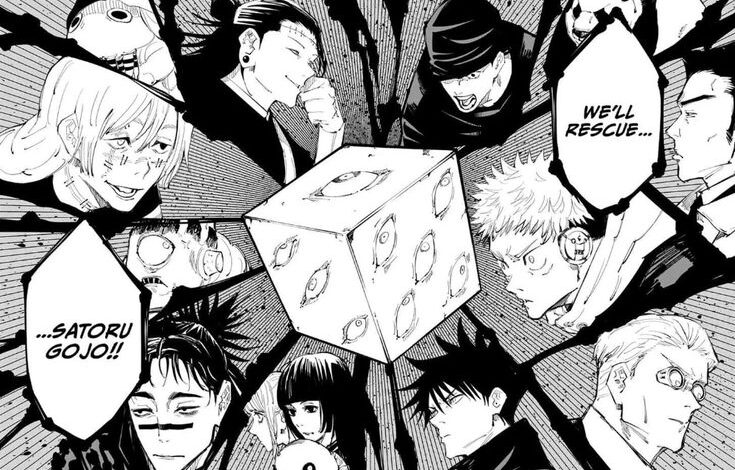
If you’ve ever flipped through the pages of Jujutsu Kaisen, you already know there’s something special about it. The jjk manga panels aren’t just drawings — they’re living, breathing moments frozen in time. Each page tells a story beyond words, pulling readers deep into a world of curses, sorcery, and unbreakable spirit.
Created by Gege Akutami, Jujutsu Kaisen has become one of the most celebrated manga series in the modern era. But what really sets it apart? The answer lies in its dynamic panel composition, powerful emotions, and cinematic storytelling. In this article, we’ll explore what makes jjk manga panels so unforgettable, how they reflect Akutami’s artistry, and why fans can’t stop admiring every single frame.


The Visual Identity of JJK Manga Panels
The jjk manga panels carry a unique identity that blends clean linework with intense shading and realistic facial expressions. Akutami’s style has evolved over the years — growing sharper, darker, and more expressive as the story unfolds.
Key traits of JJK’s panel art include:
- Emotional depth – Every expression feels raw and human.
- Dynamic movement – Fights feel fast, almost cinematic.
- Detailed environments – The cursed world feels both beautiful and terrifying.
- Panel pacing – The story flows naturally from one moment to the next.
The artistry doesn’t just lie in how characters look — it’s about how the panels feel. Readers can almost sense the fear during a cursed attack or the intensity of Gojo’s Domain Expansion through Akutami’s bold strokes.
Storytelling Through Composition
One of the strongest features of jjk manga panels is how composition enhances storytelling. In manga, panel layout is everything — it decides how readers experience the story. Akutami masterfully balances action, silence, and emotion through composition.
Techniques Used in JJK Panels:
- Close-ups: To capture emotion, such as Yuji’s shock or Megumi’s determination.
- Wide shots: To display grand battles or cursed landscapes.
- Diagonal frames: To show fast-paced combat and movement.
- Black-and-white contrast: To emphasize danger, chaos, or despair.
The result? A perfect rhythm between storytelling and emotion — something not every manga achieves.
Emotion in Motion: The Heart of JJK Panels
It’s one thing to draw action, but another to make readers feel it. That’s what jjk manga panels do so well. Akutami uses emotion-driven artwork to connect fans with each character’s journey.
Take Yuji Itadori’s grief after witnessing tragedy — his tears are not overly detailed, but the weight of the moment is clear. Or Gojo Satoru’s calm confidence before unleashing “Infinity.” Even in silence, his power radiates through the art.
The emotional impact of JJK’s visuals comes from:
- Expressive eyes that reflect pain, anger, or hope.
- Body language that tells more than words.
- Strategic pauses — blank panels that let moments sink in.
- Visual metaphors (like broken surroundings symbolizing inner turmoil).
This emotional storytelling makes jjk manga panels unforgettable for fans worldwide.
Action Like Never Before: The Kinetic Power of JJK
When it comes to fight scenes, Jujutsu Kaisen stands in a league of its own. The jjk manga panels make battles come alive through motion, speed, and energy. You can almost hear the clash of cursed energy just by looking at the pages.
What Makes JJK Battles Stand Out:
- Cinematic pacing: The panels move like film frames.
- Impactful sound effects: The “BOOM!” and “SWOOSH!” amplify tension.
- Clean motion lines: These guide the reader’s eye seamlessly.
- Focus on technique: Every cursed move is drawn with detail and logic.
Unlike some manga that can feel cluttered, Jujutsu Kaisen keeps clarity even in chaos. Akutami ensures every hit lands — visually and emotionally.
Character Design and Symbolism in JJK Panels
Each character in Jujutsu Kaisen tells a story not only through dialogue but also through their design. The jjk manga panels highlight visual symbolism that deepens character meaning.
| Character | Visual Symbolism | Emotional Theme |
| Yuji Itadori | Simple design with expressive eyes | Humanity and resilience |
| Megumi Fushiguro | Shadowed look, dark tone | Mystery and inner strength |
| Nobara Kugisaki | Sharp angles and confident poses | Pride and courage |
| Gojo Satoru | Bright contrast, open stance | Freedom and power |
| Sukuna | Detailed markings and sinister grin | Chaos and domination |
This artistic attention to detail builds trust between readers and the story. Every mark, outfit, or pose in the jjk manga panels adds to the character’s emotional journey.
Evolution of Art Style Across the Series
It’s fascinating to see how jjk manga panels have evolved since the early chapters. Gege Akutami’s early artwork was simpler — with less shading and fewer background details. But as the series grew darker and more complex, so did the art.
Artistic evolution highlights:
- Early chapters: Focused on clean character outlines.
- Shibuya Arc: Introduced dense shading, emotional chaos, and cinematic paneling.
- Culling Game Arc: Bolder contrasts and refined details in movement.
This progression mirrors the story’s emotional depth — as the characters grow stronger, so does the art that defines them.
Panel Flow and Reader Engagement
The jjk manga panels are arranged to guide readers naturally through action and dialogue. Akutami uses clever tricks to keep fans engaged from start to finish.
Reader Engagement Techniques:
- Eye guidance: Panel lines draw attention where it’s needed most.
- Page-turn suspense: Critical moments end at the page’s edge.
- Visual pauses: Blank or silent panels slow down time for effect.
- Layered storytelling: Background details hint at future plot twists.
These subtle techniques create a reading experience that feels alive — something even anime adaptations struggle to fully capture.
The Role of Shadows and Lighting
Lighting is everything in jjk manga panels. Akutami uses heavy contrasts between light and dark to shape mood and tension. Shadows often represent curses, secrets, or fear, while light symbolizes hope or power.
For example:
- During Gojo’s fights, light dominates — symbolizing his overwhelming strength.
- During Sukuna’s appearances, darkness spreads across panels like ink.
- In emotional moments, soft shading adds vulnerability and warmth.
This mastery of tone shows Akutami’s deep understanding of visual psychology — turning every panel into a symbolic painting.
How JJK Manga Panels Influence Anime Adaptation
When Studio MAPPA adapted Jujutsu Kaisen into anime, they faced the challenge of translating Akutami’s art into motion. The jjk manga panels served as perfect blueprints for cinematic direction.
The anime’s dynamic camera angles, emotional pacing, and color palettes all originate from the manga’s visual style. MAPPA enhanced Akutami’s vision but never lost its essence. Fans often compare certain episodes (like Gojo vs. Jogo) directly to their manga counterparts — and the resemblance is striking.
This synergy between manga and anime showcases the power of jjk manga panels as both storytelling tools and artistic inspirations.
Lessons for Aspiring Artists and Writers
There’s a lot aspiring creators can learn from studying jjk manga panels. Gege Akutami proves that storytelling isn’t just about words — it’s about feelings, rhythm, and visual impact.
Takeaways for creators:
- Focus on emotion first, details second.
- Use panel composition to control pacing.
- Let lighting and shading set the mood.
- Don’t fear silence — empty panels speak volumes.
- Always let art serve the story, not the other way around.
Akutami’s fearless creativity reminds artists that imperfections can enhance authenticity. It’s this rawness that gives Jujutsu Kaisen its undeniable charm.
Cultural and Artistic Influence of JJK Manga Panels
The jjk manga panels have influenced not just readers but the entire manga community. Many modern artists draw inspiration from Akutami’s dynamic style — blending realism with surrealism.
On social media platforms, fans analyze and recreate their favorite panels, showing how deeply they connect with the visual language of Jujutsu Kaisen. The art has become more than just entertainment; it’s a cultural statement about emotion, fear, and hope in the face of darkness.
The Enduring Legacy of JJK Manga Panels
As Jujutsu Kaisen continues to evolve, so too does its artistry. The jjk manga panels are more than drawings on paper — they’re a bridge between the reader’s imagination and the characters’ souls.
Every battle, every tear, every quiet moment in Akutami’s world reminds us of the beauty of manga as an art form. The emotional honesty, narrative flow, and raw power of these panels prove that storytelling through visuals can be just as profound as any novel or film.
Conclusion: The Timeless Power of JJK Manga Panels
In the end, jjk manga panels represent more than just art — they symbolize the creative heartbeat of Jujutsu Kaisen. From breathtaking fight sequences to silent emotional scenes, every panel reflects Gege Akutami’s genius and passion.
Through intricate designs, emotional expression, and innovative storytelling, these panels have carved their place in manga history. They inspire, engage, and remind readers that even in a world full of curses, there’s beauty in the struggle and light in the darkness.
So, the next time you turn the pages of Jujutsu Kaisen, take a moment to admire the art that makes it truly special — the jjk manga panels that continue to move millions around the world.