
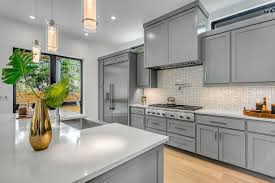
The best paint for kitchen cabinets is a topic many homeowners think about when planning a kitchen makeover. Fresh paint can turn old cabinets into beautiful new pieces without spending thousands of dollars on replacements. Whether someone wants a clean white finish, a bold navy tone, or a modern matte look, the right paint can completely change the style and feeling of a kitchen.
This guide is written in simple Grade 7 English, yet it provides expert, detailed, and helpful information. It offers professional tips, comparisons, pros and cons, and a clear understanding of which paints work best and why. Once you finish reading, you’ll know exactly how to choose the best paint for kitchen cabinets and how to get a smooth, strong, long-lasting finish.
Understanding the Best Paint for Kitchen Cabinets
Like most things in home improvement, not every paint is equal. Kitchen cabinets experience daily use—heat from the stove, moisture from cooking, grease splashes, constant touching, and cleaning. That means cabinets need paint that is strong, durable, washable, and long-lasting.
When choosing the best paint for kitchen cabinets, it’s smart to think about:
- Surface material (wood, MDF, laminate, etc.)
- Level of durability needed
- Finish appearance
- Drying time
- Cost
- Type of use (home, rental, or commercial kitchen)
We’ll explore all of this step by step.
Types of Paint Used for Kitchen Cabinets
There are several paint types used in cabinet painting. Each one comes with benefits and challenges. Let’s break them down in a friendly and simple way.
Acrylic Latex Paint
Acrylic latex is one of the most popular choices when choosing the best paint for kitchen cabinets. It is water-based, easy to clean, and gives off fewer fumes.
Advantages
- Easy to apply
- Fast drying
- Low smell
- Good for DIY users
- Cleans up with water
Disadvantages
- Not as hard as oil-based paints
- Can show brush marks if applied too quickly
Acrylic latex is great for most households, especially where young painters or beginners may be working.
Oil-Based Paint
Oil-based paint has been used for decades and is known for giving cabinets a smooth, strong finish.
Advantages
- Extremely durable
- Resists scratches and stains
- Smooth, professional look
- Adds a strong protective layer
Disadvantages
- Strong fumes
- Longer drying time
- Requires mineral spirits for cleanup
- Not environmentally friendly
Still, many professionals consider oil paint the best paint for kitchen cabinets when durability is the top priority.
Chalk Paint
Chalk paint gives a soft, matte, vintage finish that many homeowners love.
Advantages
- No primer needed in most cases
- Easy to distress for a shabby-chic look
- Low VOC and minimal odor
- Fast application
Disadvantages
- Needs wax or sealer to last
- Less resistant to water and grease
- Not ideal for modern glossy finishes
Chalk paint is perfect for creative and artistic kitchen styles.
Milk Paint
Milk paint has been used for hundreds of years and is natural, eco-friendly, and beautifully textured.
Advantages
- Non-toxic
- Easy to apply
- Light, classic finish
- Can be mixed into many colors
Disadvantages
- Requires topcoat
- Not as durable without sealing
- Can flake for “aged effect,” which not every homeowner wants
Still, many preservation experts choose milk paint as the best paint for kitchen cabinets in old houses or rustic kitchens.
Urethane-Reinforced Acrylic Paint
This is a newer type of paint that mixes the strong protection of oil with the easy cleaning of water-based paint.
Advantages
- Extremely durable
- Low odor
- Smooth finish
- Great for kitchens with heavy use
This type is quickly becoming a favorite among professional cabinet painters.
Best Paint Finishes for Kitchen Cabinets
The finish affects shine, durability, and overall appearance.
Semi-Gloss
Most experts consider semi-gloss the best paint for kitchen cabinets because:
- Easy to clean
- Reflects light
- Moisture resistant
- Long-lasting
Satin
Satin is softer and more modern looking than semi-gloss.
- Less shiny
- Easy to clean
- Smooth and classy
High Gloss
High gloss is bold and eye-catching.
- Very shiny
- Extremely washable
- Looks modern and dramatic
Matte
Matte finishes are beautiful but need more maintenance.
- Soft and stylish
- Shows scratches more easily
- Usually needs strong sealer
How to Choose the Best Paint for Your Kitchen Cabinets
Picking the best paint for kitchen cabinets depends on lifestyle, budget, and design taste. Here’s a quick guide.
Choose oil-based paint if:
- You want maximum durability
- Your kitchen is high-traffic
- You prefer a glassy, clean finish
Choose acrylic latex paint if:
- You want fast drying
- You are DIY painting
- You want fewer fumes
- You want easy cleanup
Choose chalk or milk paint if:
- You want stylish, artistic, or rustic cabinets
- You don’t mind adding wax or sealer
- Your kitchen has a farmhouse vibe
Choose urethane-reinforced acrylic if:
- You want the best of both worlds
- You prefer professional quality with low smell
- You want long-lasting durability
Comparison Table – Best Paint for Kitchen Cabinets
| Paint Type | Durability | Finish Look | Best For | Cleanup |
| Oil-Based | Excellent | Smooth and shiny | High-use kitchens | Mineral spirits |
| Acrylic Latex | Very Good | Clean and modern | DIY and everyday homes | Soap and water |
| Urethane Acrylic | Excellent | Smooth, professional | High durability + low fumes | Soap and water |
| Chalk Paint | Fair | Soft and vintage | Farmhouse and artistic styles | Soap and water |
| Milk Paint | Fair | Rustic and textured | Historical or handmade look | Soap and water |
Why Prep Work Matters
Even the best paint for kitchen cabinets will fail if the cabinets are not prepared correctly. Cabinets collect grease, food splatter, fingerprints, and cleaning residue. Paint needs a clean, dull, and dry surface to bond properly.
Steps for Proper Prep
- Remove cabinet doors and hardware
- Clean with strong degreaser
- Sand lightly
- Fill nail holes
- Wipe with tack cloth
- Apply primer
- Let primer dry fully
This helps ensure smooth paint application and long-lasting results.
Why Primer Is Essential
Some beginners skip primer, but professionals rarely do. Primer:
- Blocks stains
- Helps paint stick
- Levels rough areas
- Prevents chipping and peeling
- Improves final color finish
Oil-based or bonding primers usually give the strongest foundation for the best paint for kitchen cabinets.
Top Color Choices for Kitchen Cabinets
Popular cabinet trends change each year, but some choices remain timeless. Here are classic and trendy options homeowners love.
Classic Colors
- White
- Cream
- Soft gray
- Warm beige
Bold Modern Colors
- Navy blue
- Forest green
- Charcoal
- Deep red
New Trending Colors
- Sage green
- Mushroom taupe
- Black matte
- Blue-gray
Light colors brighten small spaces, while dark colors add richness and drama. Any shade can work beautifully with the best paint for kitchen cabinets.
How Many Coats of Paint Do Kitchen Cabinets Need?
Most kitchens need:
- 1 coat primer
- 2 coats of paint
- Optional topcoat depending on paint type
Skipping coats can reduce durability. Thick paint layers don’t make cabinets stronger—multiple thin coats do.
Tools Needed for a Professional Finish
To get results like a pro, it helps to use the right tools:
- High-quality angled brush
- Smooth mini roller
- Sanding block
- Tack cloth
- Primer
- The best paint for kitchen cabinets of your choice
People who want a glass-smooth finish can also use a paint sprayer.
Common Mistakes When Painting Cabinets
Even with the best paint for kitchen cabinets, mistakes can ruin the final look. Watch out for these:
Not Cleaning Well
Grease stops paint from sticking.
Skipping Primer
Paint may peel within months.
Painting Too Thick
Thick coats leave brush marks and slow drying.
Not Waiting Between Coats
Patience creates professional results.
Poor Hardware Installation
Doors hung crooked or handles misaligned spoil the beauty of the cabinets.
Should You Use a Topcoat?
Some paints need a topcoat, while others do not.
Topcoats Needed For
- Chalk paint
- Milk paint
- Flat or matte latex paint
Optional For
- Satin or semi-gloss latex
- Urethane acrylic paints
Not Needed For
- Oil-based paints
Topcoats add protection against:
- Moisture
- Fingerprints
- Food stains
- Cleaning chemicals
How Long Will Painted Cabinets Last?
When prepared and painted correctly, cabinets can last:
- 5 to 10 years with latex
- 8 to 20 years with oil or urethane paint
Chalk or milk paint may need touch-ups sooner unless sealed well.
Professional vs DIY Painting
Painting cabinets yourself can save hundreds or thousands of dollars. But hiring a pro brings speed and expertise.
Why DIY?
- Saves money
- Creative control
- Fun project
Why Hire a Pro?
- Perfect finishing
- Faster turnaround
- Experience with the best paint for kitchen cabinets
- Professional tools and methods
Both options can lead to beautiful results depending on skill and patience.
Estimated Cost of Painting Kitchen Cabinets
Costs vary depending on kitchen size, paint quality, and who is doing the work.
DIY Costs
- Primer: $20 – $60
- Paint: $40 – $120
- Sandpaper/rollers: $20 – $50
- Brushes: $10 – $40
Total: $100 – $300
Professional Painting Cost
- $800 – $2,500+ depending on size and labor hours
Professional painters also use spray systems for flawless finishes.
Tips from Experts
People who professionally apply the best paint for kitchen cabinets often recommend:
- Always wash cabinets before sanding
- Use a high-bond primer
- Label cabinet doors to avoid confusion
- Let the paint cure for 2–3 weeks before heavy cleaning
- Don’t rush – slow and steady wins
Following expert advice leads to beautiful and long-lasting cabinets.
Is Repainting Cabinets Worth It?
Absolutely. Painting cabinets is:
- Cheaper than replacing them
- Faster than remodeling
- Eco-friendly
- Highly customizable
- A smart way to raise home value
A well-painted kitchen can look brand new at a fraction of the cost.
Final Thoughts on the Best Paint for Kitchen Cabinets
Choosing the best paint for kitchen cabinets can feel overwhelming, but it becomes easier when you understand the different paint types, finishes, techniques, and preparation steps. No matter the kitchen style—modern, classic, rustic, or farmhouse—the right paint can transform the entire room.
Whether you pick oil-based for strength, acrylic latex for easy application, or urethane acrylic for professional durability, the key to success lies in good prep work, correct tools, and patience. With the best paint, proper technique, and a little creativity, your kitchen cabinets can look stunning for years.
