Introduction: The Rise of the Tesla China Battery Project Renewable Energy Revolution

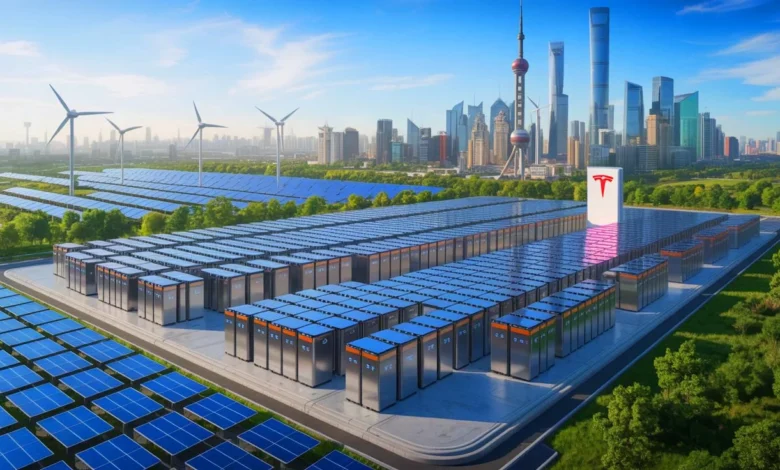
In the world of renewable energy, few names shine as brightly as Tesla. Known for its electric vehicles and clean energy innovations, Tesla continues to push global boundaries — and one of its most ambitious undertakings yet is the Tesla China Battery Project Renewable Energy initiative.
This project, a key milestone in Tesla’s mission to accelerate the world’s transition to sustainable energy, is transforming how energy is stored, distributed, and used in China — a country that’s already at the forefront of renewable energy production.


But what makes this project such a big deal? Why is China the chosen ground for Tesla’s advanced battery plant? And what does this mean for the global renewable energy landscape? Let’s take a deep dive into this electrifying topic.
Understanding the Tesla China Battery Project Renewable Energy Initiative
At its core, the Tesla China Battery Project Renewable Energy effort focuses on building a large-scale battery manufacturing and energy storage facility dedicated to supporting renewable energy sources like solar and wind.
This project isn’t just about producing more batteries — it’s about creating a sustainable, reliable, and scalable solution to one of the biggest challenges in clean energy: energy storage.
Key Objectives of the Project
- Boost renewable energy efficiency: Store surplus solar and wind energy for later use.
- Reduce carbon emissions: Replace fossil-fuel-based energy storage systems.
- Support China’s carbon neutrality goals: Help achieve “Net Zero” emissions by 2060.
- Promote global sustainability: Expand Tesla’s renewable footprint across Asia.
The project combines Tesla’s world-leading battery technology — especially its Megapack energy storage units — with China’s massive renewable energy infrastructure, creating a powerful synergy that could reshape the energy landscape of the region.
Why China? The Perfect Partner in Renewable Energy
China isn’t just the world’s manufacturing hub; it’s also a leader in renewable energy development. The country produces more solar panels and wind turbines than any other nation.
So, when Tesla decided to expand its global energy projects, China was a natural choice. The nation’s forward-looking energy policies, massive market potential, and commitment to sustainability made it an ideal partner for Tesla’s ambitious goals.
Reasons Tesla Chose China
| Factor | Description |
| Government Support | China’s policies encourage foreign investment in renewable technology. |
| Infrastructure Readiness | Advanced manufacturing zones and skilled workforce. |
| Renewable Resources | Rich solar and wind power availability. |
| Market Demand | Rapidly growing need for clean, stable power. |
| Strategic Location | Easier access to Asian markets and global supply chains. |
This strategic partnership underscores Tesla’s long-term vision — not just to sell cars, but to build an entire clean energy ecosystem that supports a sustainable future.
Inside the Tesla China Battery Project Renewable Energy Facility
The heart of the project lies in Shanghai, where Tesla’s state-of-the-art battery factory operates alongside its Gigafactory for electric vehicles.
This new plant focuses primarily on producing Tesla Megapacks, massive lithium-ion battery systems designed for grid-scale energy storage.
Highlights of the Facility
- Annual production capacity: Tens of thousands of Megapacks.
- Technology used: High-density lithium-ion battery systems.
- Automation: Advanced robotics and AI-driven manufacturing.
- Sustainability: Powered by renewable sources and optimized for zero waste.
Tesla’s Shanghai factory represents a model of sustainable manufacturing, integrating clean energy technologies with high efficiency. Each Megapack produced can store up to 3.9 megawatt-hours (MWh) of energy — enough to power thousands of homes.
The Role of Megapacks in the Renewable Energy Revolution
Tesla’s Megapack systems are the backbone of the Tesla China Battery Project Renewable Energy plan. These massive batteries help store energy from renewable sources like wind farms and solar fields.
When production exceeds demand — say, on a sunny or windy day — the extra energy is stored in Megapacks. Later, when demand rises or weather conditions fluctuate, the stored power is released to stabilize the grid.
Benefits of Tesla Megapacks
- Grid stabilization: Balances supply and demand in real time.
- Energy independence: Reduces reliance on fossil fuels.
- Disaster resilience: Provides backup power during blackouts.
- Scalability: Suitable for cities, industries, or entire regions.
Tesla’s battery technology ensures that renewable energy doesn’t go to waste — a huge leap toward global sustainability.
Tesla’s Collaboration with the Chinese Energy Sector
Tesla isn’t going solo in this massive effort. The Tesla China Battery Project Renewable Energy involves close collaboration with Chinese energy companies, government agencies, and technology providers.
Together, they aim to create a smart energy network that integrates solar panels, wind turbines, and storage systems across the country.
Key Collaborations Include:
- Partnerships with State Grid Corporation of China, the world’s largest utility company.
- Coordination with local governments to support energy transition plans.
- Joint projects with renewable energy startups and research institutions.
This cooperative approach demonstrates Tesla’s respect for China’s local expertise while blending it with Tesla’s innovation-driven culture.
Environmental and Economic Impact
The Tesla China Battery Project Renewable Energy isn’t just about technology — it’s about impact. Both environmental and economic outcomes are shaping up to be profound.
Environmental Impact
- Massive reduction in carbon emissions by enabling clean energy storage.
- Decreased reliance on coal-based power during peak hours.
- Cleaner air and reduced pollution in industrial regions.
- Promotion of circular economy through battery recycling and reuse programs.
Economic Impact
- Job creation: Thousands of skilled positions in manufacturing and engineering.
- Foreign investment: Strengthens China’s renewable energy sector.
- Lower energy costs: Long-term savings from renewable storage systems.
- Boost in innovation: Encourages startups and R&D in clean tech.
In short, Tesla’s presence is fueling both green growth and economic opportunity in the world’s most populous nation.
Challenges Faced by the Tesla China Battery Project Renewable Energy
No major innovation comes without hurdles. The Tesla China Battery Project Renewable Energy initiative faces a few challenges that must be navigated carefully.
Key Challenges
- Supply Chain Dependencies:
Lithium, cobalt, and nickel — key battery materials — often fluctuate in price and supply. - Regulatory Barriers:
Adapting to China’s unique energy regulations requires constant negotiation. - Technological Competition:
Local companies like CATL are strong competitors in the battery space. - Recycling and Waste Management:
Handling used batteries in an eco-friendly manner remains a logistical challenge.
Still, Tesla’s global experience and focus on innovation give it the tools to turn these obstacles into opportunities.
Global Significance of Tesla’s China Battery Project
While the project is based in China, its influence goes far beyond national borders. The Tesla China Battery Project Renewable Energy serves as a blueprint for future sustainable energy infrastructure worldwide.
How It Impacts the Global Market
- Encourages international renewable partnerships.
- Drives battery cost reduction through economies of scale.
- Sets new environmental standards for global manufacturers.
- Accelerates the renewable transition in developing countries.
Tesla’s success in China could inspire similar ventures across Asia, Africa, and Europe — igniting a new wave of clean energy innovation.
The Future Vision: Tesla’s Roadmap for Renewable Energy
Tesla isn’t stopping here. The Tesla China Battery Project Renewable Energy initiative is just the beginning of a much larger vision for a global sustainable future.
Tesla’s Future Plans Include:
- Expanding Gigafactories across Asia for energy storage and EV production.
- Investing in solid-state battery research for longer-lasting, safer batteries.
- Building microgrids in rural and developing regions.
- Increasing battery recycling efforts to promote a circular energy economy.
With each innovation, Tesla moves closer to its ultimate goal: a world fully powered by renewable energy.
Conclusion: The Bright Horizon of Tesla China Battery Project Renewable Energy
As the world faces growing environmental challenges, the Tesla China Battery Project Renewable Energy stands as a symbol of hope, progress, and determination.
By merging cutting-edge technology, global collaboration, and sustainable vision, Tesla is proving that clean energy is not just possible — it’s profitable, scalable, and essential for our planet’s future.
This project doesn’t just power homes or industries — it powers dreams, ambition, and the promise of a cleaner tomorrow.
In the end, the Tesla China Battery Project Renewable Energy isn’t just about Tesla or China. It’s about all of us — working together toward a brighter, greener, and more sustainable world.