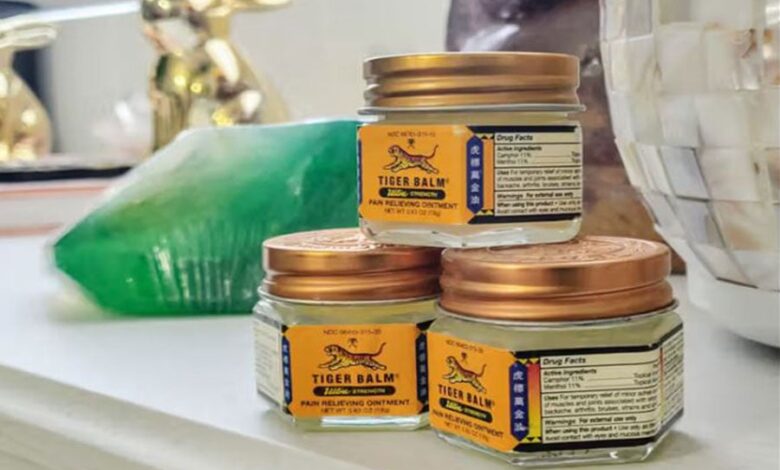
Tiger Balm — the small, powerful jar known for its soothing heat — has been a household favorite for generations. From athletes easing muscle pain to grandparents rubbing away arthritis aches, this little tin has earned global fame. But here’s the big question: why is Tiger Balm illegal in some countries?
It might surprise you, but the answer isn’t as straightforward as you think. Let’s explore the real reasons why this popular ointment faces bans and restrictions in certain regions.


Understanding Tiger Balm: A Timeless Remedy
Before diving into why is Tiger Balm illegal, it’s important to know what it actually is. Tiger Balm is a medicated topical ointment originally developed in the 1870s by Chinese herbalists Aw Chu Kin and Aw Boon Haw in Rangoon (modern-day Yangon, Myanmar).
This powerful balm is made from a blend of natural ingredients, including:
- Camphor – for cooling and pain relief
- Menthol – provides a refreshing, numbing effect
- Cajuput oil – used for soothing sore muscles
- Clove oil – has anti-inflammatory properties
- Cassia oil – gives the balm its signature scent
It’s available in different varieties such as:
- Red Tiger Balm – for deep muscle pain and arthritis
- White Tiger Balm – for headaches and congestion
Millions of people rely on it for temporary relief from:
- Muscle and joint pain
- Headaches
- Cold symptoms
- Insect bites
Sounds harmless, right? So, why is Tiger Balm illegal in some countries?
Why Is Tiger Balm Illegal in Certain Regions?
Tiger Balm itself isn’t universally illegal — but it’s restricted or banned in some countries due to its ingredients and labeling standards. Different nations have different laws on what substances can be used in medicinal products.
Here are the main reasons behind the bans or restrictions:
- Contains Banned or Controlled Substances
- Ingredients like camphor and menthol, though natural, are restricted in high concentrations in some countries.
- For instance, in Canada, certain camphor-based products exceeding 11% concentration are prohibited due to potential toxicity.
- Tiger Balm Red contains up to 25% camphor — that’s more than double the safe limit in some nations.
- Ingredients like camphor and menthol, though natural, are restricted in high concentrations in some countries.
- Lack of Regulatory Approval
- In the United States, Tiger Balm is classified as an over-the-counter (OTC) topical analgesic.
- However, in countries with stricter pharmaceutical rules, such as European Union members, some formulations haven’t been officially approved, leading to import restrictions.
- In the United States, Tiger Balm is classified as an over-the-counter (OTC) topical analgesic.
- Possible Mislabeling or Health Claims
- Some regions regulate health claims very strictly.
- If a product claims to “cure” or “heal” without proper testing or licensing, it may face legal barriers.
- Some regions regulate health claims very strictly.
- Safety Concerns and Misuse
- Using Tiger Balm excessively, especially on broken skin, can lead to irritation or even poisoning in rare cases.
- Camphor is toxic if ingested and can cause seizures in children, which makes regulators cautious.
- Using Tiger Balm excessively, especially on broken skin, can lead to irritation or even poisoning in rare cases.
So while the balm itself isn’t inherently dangerous, its misuse and high potency have made authorities place limits on its distribution.
Countries Where Tiger Balm Is Restricted or Banned
To fully understand why is Tiger Balm illegal, let’s look at specific countries and their stances on the product.
| Country | Status | Reason |
| Canada | Restricted | Camphor concentration above 11% is banned |
| Australia | Restricted | Import rules require disclosure of ingredients |
| United Kingdom | Limited Sale | Some formulas not licensed as medicines |
| Japan | Controlled | Menthol and camphor limits under local drug laws |
| United States | Legal (OTC) | Approved as a topical pain reliever |
| Singapore | Legal | Home of the original Tiger Balm brand |
| European Union | Mixed Regulations | Varies by member state due to labeling laws |
As you can see, it’s not globally illegal — it’s all about how each country interprets its safety and labeling requirements.
Camphor: The Key Ingredient Behind the Controversy
When asking why is Tiger Balm illegal, the focus often turns to camphor, one of its main ingredients.
Camphor is a natural compound derived from the wood of the camphor tree. It’s used in many traditional remedies and has powerful anti-inflammatory effects. But it’s also toxic in large doses.
Health Risks of Camphor
- Can cause skin irritation or burns if overused
- Toxic if swallowed, especially dangerous for children
- High exposure can cause nausea, dizziness, or seizures
Because of these potential hazards, regulators set strict limits on how much camphor can be used in consumer products. Tiger Balm’s traditional formula sometimes exceeds those limits, making it non-compliant with certain countries’ safety laws.
Cultural and Historical Significance of Tiger Balm
Despite these legal issues, Tiger Balm has a rich history and cultural legacy. It originated in the 19th century and quickly became a staple in Asian households.
The Aw brothers, who created the balm, built a health empire that spread across Asia and the world. The iconic Tiger Balm Garden (Haw Par Villa) in Singapore is a testament to its global influence.
To many people, Tiger Balm isn’t just a product — it’s a symbol of traditional Chinese medicine, trusted through generations.
So when we ask why is Tiger Balm illegal, it’s not just a question of law, but also of how modern regulations intersect with centuries-old remedies.
Is Tiger Balm Dangerous to Use?
Let’s clear the air — for most people, Tiger Balm is safe when used correctly.
However, here’s what health experts recommend:
- Do not apply to broken or sensitive skin.
- Avoid contact with eyes and mouth.
- Keep away from children.
- Use small amounts to avoid irritation.
- Consult a doctor if you have allergies or chronic skin conditions.
The problem arises not from normal use but from overuse or ingestion, which can lead to serious side effects.
So, while regulators may restrict sales for safety reasons, it doesn’t mean Tiger Balm is inherently harmful. It just needs to be used wisely.
Modern Alternatives to Tiger Balm
For those living in countries where Tiger Balm is restricted, don’t worry — there are alternatives that offer similar relief.
Here are some popular substitutes:
- Biofreeze Gel – Menthol-based pain reliever
- Vicks VapoRub – For congestion and muscle aches
- Icy Hot – Combines cooling and heating sensations
- Arnica Cream – Natural anti-inflammatory option
- Essential Oil Blends – Peppermint, eucalyptus, and lavender oils
These products are often approved by local health authorities and provide comparable results.
The Future of Tiger Balm Regulations
The global popularity of Tiger Balm means that its manufacturers are continuously adapting to new regulations.
- New formulations with lower camphor concentrations are being developed.
- Clearer labeling ensures consumer safety and compliance.
- Regulatory approvals in more countries are being pursued.
So, while you might wonder why is Tiger Balm illegal in certain places today, the future could look much brighter for this age-old remedy.
With proper regulation and education, it’s possible for Tiger Balm to stay both safe and widely available.
Interesting Facts About Tiger Balm
Here are a few fun tidbits that make Tiger Balm fascinating:
- It’s named “Tiger” after Aw Boon Haw, whose name means “Gentle Tiger.”
- Used by Olympic athletes for muscle recovery.
- One jar is sold every two seconds worldwide!
- Available in over 100 countries despite some local restrictions.
Clearly, its appeal and effectiveness have stood the test of time.
Final Thoughts: Why Is Tiger Balm Illegal — The Real Takeaway
So, why is Tiger Balm illegal in some countries? The answer boils down to safety regulations, ingredient restrictions, and labeling laws. It’s not banned because it’s harmful to everyone — rather, it’s about protecting consumers from potential misuse or overexposure to certain ingredients like camphor.
Despite these hurdles, Tiger Balm remains one of the most trusted remedies in the world. It’s safe when used responsibly and continues to bring comfort to millions.
In short:
- Tiger Balm isn’t “bad” — it’s just powerful.
- Regulations vary by country to ensure consumer safety.
- With proper usage, it’s one of the best natural pain relief options available.
So next time someone asks, “Why is Tiger Balm illegal?”, you’ll know the full story — it’s not about banning tradition, but balancing it with modern health standards.
You may also read
Introduction: The Rise of the Tesla China Battery Project Renewable Energy Revolution